Afraid of Cold Calling? Here’s How to Beat It.
Cold calling is one of the most stressful parts of sales — and that’s exactly why so few people do it well. The good news: it’s a trainable skill. The fear doesn’t disappear, but with the right preparation, it becomes manageable. Like any muscle, confidence comes from repetition.

Rehearse before the real call
Before calling anyone, practice your pitch aloud — not in your head. Run through your script 10 times. That’s enough to get basic comfort. After 50 repetitions, it becomes a routine. That’s the goal: your brain should no longer see it as a risky surprise, but as a familiar conversation pattern.
The trick is to practice without reading from paper. When you’re forced to recall lines from memory, your brain simulates the real pressure of a live call. It’s uncomfortable at first, but that discomfort is exactly what builds fluency.
Record yourself — it’s uncomfortable but effective
Few things improve faster than listening to your own voice. Recording real or mock calls lets you hear mistakes that you’ll never notice in the moment — rushed intros, filler words, weak transitions. Even just audio is enough; you don’t need full video.
One rep said recording his meetings was painful at first, but transformative.
He realized that in every second call, he interrupted the client mid-sentence — something he never noticed live.
If privacy or nerves are an issue, start by recording only your side of the call. Reviewing 10 minutes of your talk once a week already builds awareness and control.
Timing is half the battle
Even the best pitch can fail if it lands at the wrong time. People are busy, distracted, or simply not in the mood to talk. A seasoned sales rep put it well:
His biggest barrier was “interrupting people when they didn’t have time.”
And that’s okay — it’s part of the game. The worst that can happen? Nothing. You don’t lose reputation, you just move on. Cold calling is a volume game, and timing luck averages out over dozens of calls.
A good rule: call between 9:30–11:00 and 15:00–17:00 in your prospect’s local time. These windows often avoid meetings and lunch hours.
Prepare for sensitive questions
Before calling, write down the tough questions prospects might ask. Examples:
- “Why should I talk to you right now?”
- “Is this another sales pitch?”
- “Can you send me an email instead?”
Practice answering them confidently — not defensively. In training, this is called “sensitive question simulation.” The more you rehearse these moments, the less they rattle you later.
Master your one-sentence offer
If your call goes well, you’ll get the chance to pitch. Keep it one sentence long. Something like: “We help small SaaS teams close deals 30% faster by automating follow-ups.”
That’s it. No fluff, no backstory. You’re not there to explain everything — you’re there to earn a meeting.
Expect rejection — and redefine success
Even top reps face rejection most of the time. One sales professional shared his stats: from 100 cold calls, he books about 6 meetings — a 6% conversion rate. That’s actually strong performance in B2B outreach. The key is perspective: 94 rejections aren’t failure, they’re the price of six successes.
If you know your numbers, rejection stops feeling personal. It becomes math.
From practice to confidence
If cold calling feels terrifying now, start small:
- Rehearse your script 10 times aloud.
- Record yourself once.
- Write your one-sentence offer.
- Call one person — just one — and reflect.
- Repeat.
Within a month, you’ll go from dreading calls to seeing them as opportunities for control and learning.
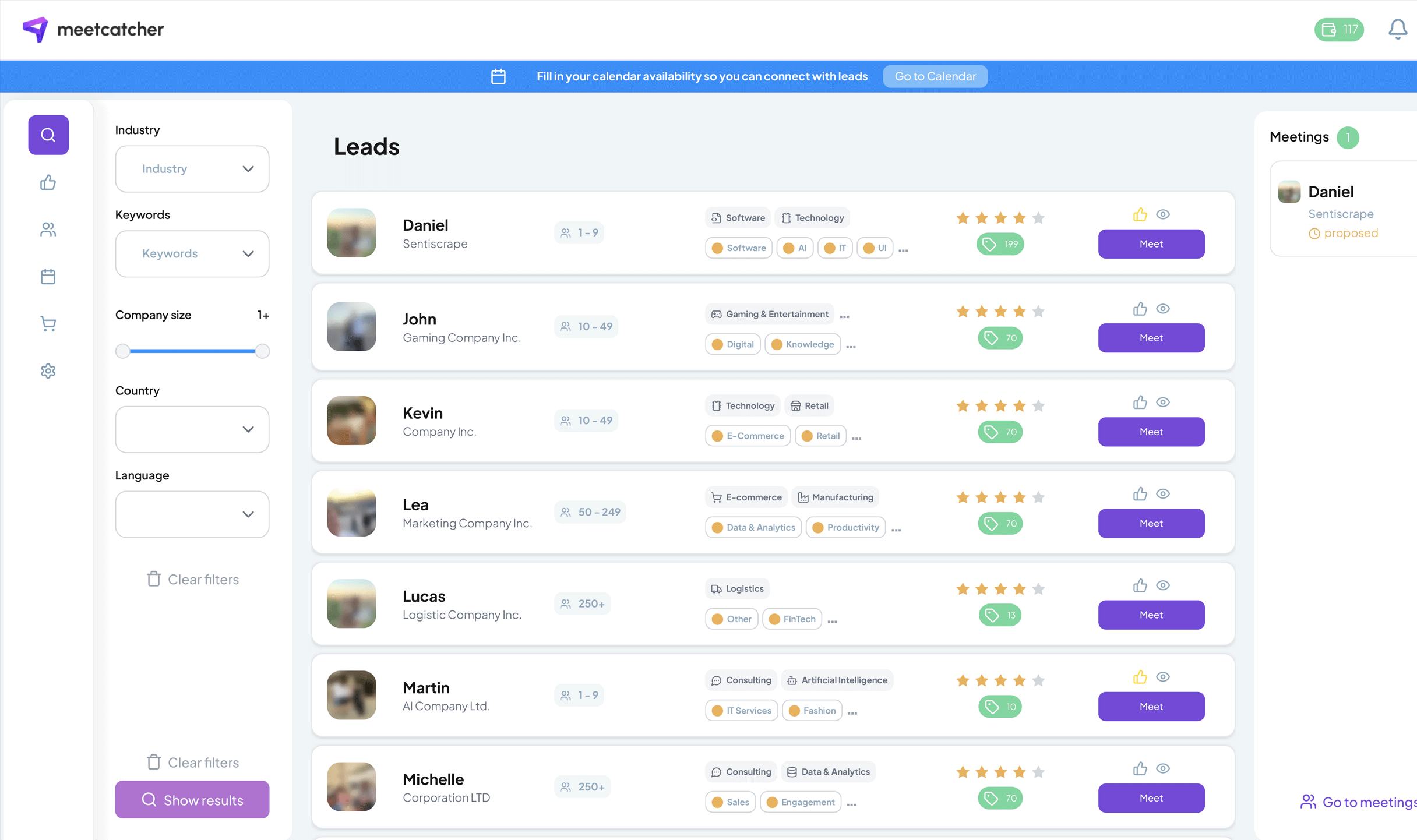
And when those calls start turning into real meetings, you can automate the scheduling part. Tools like Meetcatcher help you set up short, structured video calls with interested prospects — so you spend less time chasing replies and more time actually talking to people.
Cold calling never gets “easy.” But with repetition, structure, and awareness, it becomes predictable — and that’s what makes it powerful.