How to Do Email Marketing Right in 2025
Email may be over 50 years old, but in 2025 it’s still the most affordable marketing channel. No social algorithm, no paid ads — just direct communication with your audience. The challenge? Doing it right, legally, and technically.
Why email remains unbeatable for SaaS
If you run a SaaS product, email is your cheapest lever for activation, retention, and upsell. A well-run campaign can cost just a few euros per thousand sends, while generating conversion rates between 1–5%, depending on targeting and timing.
Email gives you what other channels don’t: control. You own the audience — not the platform. That’s why even startups with small budgets can build profitable funnels purely on email automation.
Build your database — or enrich it carefully
The one thing email marketing can’t work without is a database. You have two paths to build it:
-
Organic collection
- Website forms (“Get our SaaS playbook,” “Join beta access”).
- Free resources (checklists, webinars, templates).
- Trial registrations and blog subscriptions.
-
Data enrichment and scraping
- Tools like Apollo, Clay, or Phantombuster can help you identify and enrich B2B contacts.
- Always verify data and avoid blasting cold addresses at scale.
- Check GDPR and local regulations — even B2B communication must have a legitimate interest or consent basis.
A good rule: don’t send to anyone you wouldn’t personally explain your message to. Personalization keeps you compliant and converts better.
The onboarding minimum
Even if you never send a single newsletter, every SaaS must at least have onboarding emails — the minimum sequence that helps users get started, solve problems, and return to the app.
Without these, your product is silently leaking users. These automated flows act as customer success assistants — nurturing activation while costing almost nothing.
Don’t ignore the technical setup
A common pitfall, says one email deliverability expert, is neglecting the technical basics. Many founders set up beautiful campaigns, only to see 80% of messages land in spam.
To avoid this:
- Configure SPF, DKIM, and DMARC records correctly.
- Warm up your sending domain gradually (start with 20–50 emails/day).
- Use a dedicated subdomain (e.g.,
mail.yourdomain.com) for campaigns. - Check your domain’s reputation with tools like MxToolbox, Mail-Tester, or GlockApps.
The expert put it simply: “Your copy doesn’t matter if Gmail doesn’t trust you.”
These steps are boring but crucial — they separate amateur blasts from professional deliverability.
Segment or die trying
Another frequent mistake: sending everything to everyone. It’s not just inefficient — it’s harmful. Poor segmentation tanks open rates, triggers spam filters, and desensitizes your audience.
Instead:
- Add tags or fields to each contact (e.g., “trial user,” “active client,” “enterprise lead”).
- Create separate segments for different use cases.
- Customize content: onboarding guides for new users, case studies for active ones, product updates for paying customers.
If you don’t yet have automation software, even tools like Brevo, ConvertKit, or Customer.io let you tag and split contacts easily.
Segmentation can raise click rates by 30–70% overnight, because people finally get content that’s relevant to them.
From setup to success
If you treat email like a cheap megaphone, it will perform like one. Treat it as a relationship channel instead — where each message helps, not interrupts.
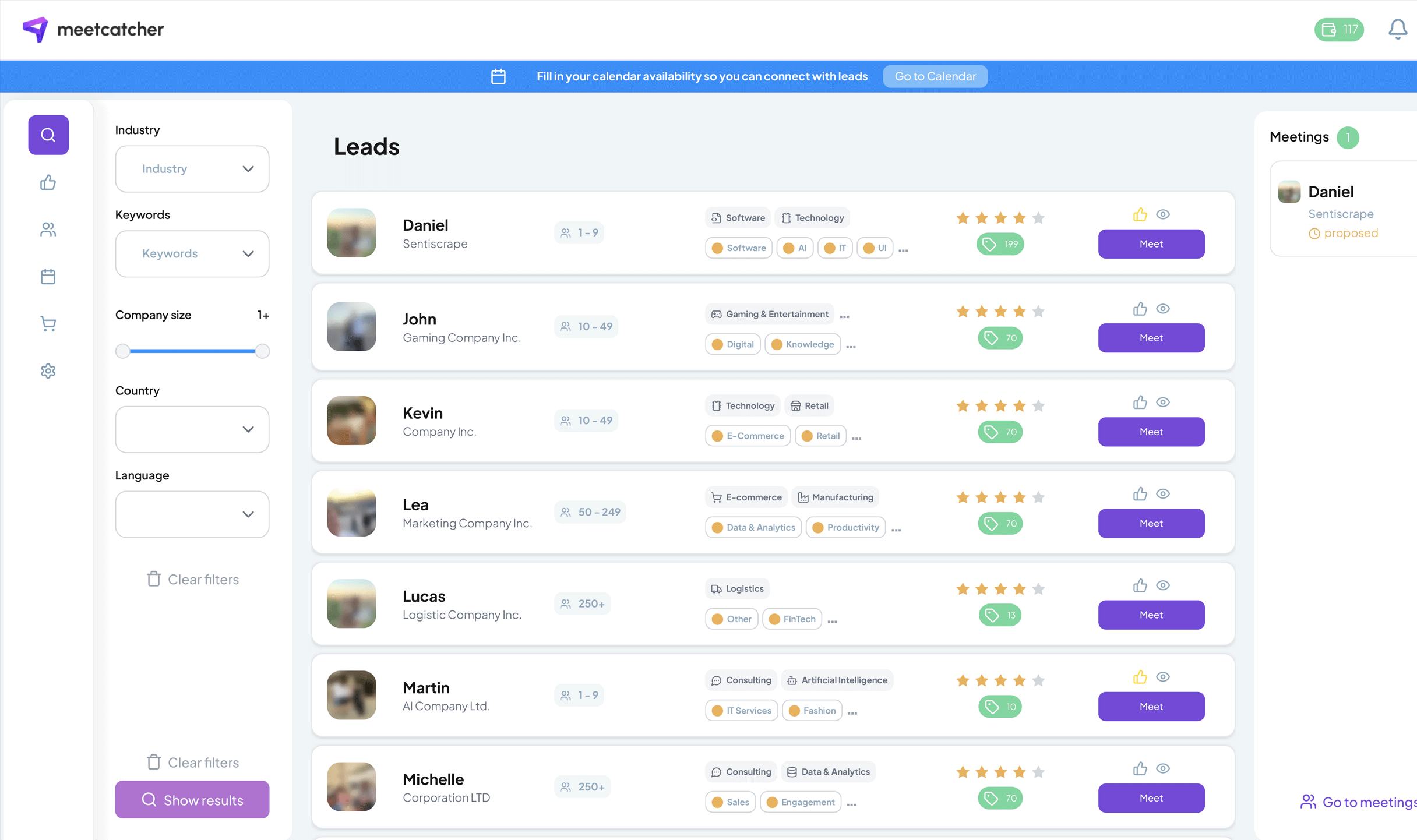
And if your goal is to move from inbox to real conversation faster, link your campaigns directly to a short intro call. With Meetcatcher, you can invite subscribers to 10-minute video chats, turning cold interest into genuine leads — without endless follow-ups.
Email remains a marketer’s secret weapon: inexpensive, personal, and powerful. Master the technical foundation, respect your audience, and your next send might be the cheapest sale you’ll ever make.