How to Run a Perfect Cold Call (Without Sounding Like One)
Cold calling has been declared dead more times than anyone can count — yet it remains one of the fastest ways to create real business conversations. The truth is, it’s not about reading from a script. It’s about how you sound, what you say, and when you stop talking.

The science of short conversations
Cold calls aren’t meant to be long. Research across SaaS and B2B industries shows that the average successful cold call lasts between 45 and 90 seconds. That’s all you get to earn curiosity — not commitment.
The first goal isn’t to sell. It’s to open the door to a deeper chat, usually a demo or discovery meeting. Your objective is simple: buy another 15 minutes later, not the entire contract now.
Don’t start by asking for permission
One of the most common mistakes is beginning with, “Do you have a moment to talk?” It seems polite — but it actually undermines your authority. If they truly didn’t have time, they wouldn’t have picked up the phone. By asking, you’re inviting them to say no.
Start instead with clarity and calm confidence:
Hi Martin, I’ll be brief — I’m calling because we help manufacturing teams cut their quoting time by 40%. Can I take 45 seconds to explain how?
That opener sets expectations, shows respect for time, and communicates value immediately.
Don’t drag the ending
Many reps sabotage great calls by refusing to end them. They recap too much, repeat benefits, or re-pitch the same message three times in a row — all out of fear of being rejected. But what feels like being “thorough” actually kills the momentum.
One sales trainer calls this the “goodbye trap.”
He says, “Too many people talk themselves out of the win. The longer the ending, the higher the chance the prospect cools off.”
When the call goes well, confirm the next step confidently:
Perfect — I’ll send you a quick calendar link for Thursday’s demo.
Then stop talking. Let silence work for you.
Selling without pressure
Another sales pro once drew a beautiful analogy:
Nobody likes being sold to, but everyone loves watching movie trailers.
It’s the same psychology in cold calling. People dislike pressure — but they enjoy discovering something new. When you position your product as an interesting preview rather than a full sales pitch, you invite curiosity instead of resistance.
Think of your call as a teaser, not a transaction. You’re showing what’s possible, not forcing a decision. That’s why the best cold calls sound more like conversations and less like commercials.
Timing and research matter most
A rep working in the engineering and industrial equipment sector shared an insight that perfectly sums up modern cold calling:
What works best for me is mentioning something I know before others do.
He spends time researching industry cycles, machine upgrades, and even corporate budgets. Then he calls at the exact moment a client is likely to be considering new equipment.
That’s the secret — information timing. If you call too early, they don’t care. Too late, someone else already did. Great salespeople combine data, intuition, and a bit of detective work.
Crafting the perfect structure
A cold call should flow naturally through five quick phases:
- The confident opening – state who you are and why you’re calling, fast.
- The relevance hook – connect the benefit to something they care about.
- The proof point – add a short metric (“our clients reduced response time by 30%”).
- The call to curiosity – invite them to explore, not to buy.
- The close and exit – suggest a short meeting, then end cleanly.
Each step should feel conversational. Use pauses. Smile while you talk — it genuinely changes your tone and energy.
The role of tech and tools
Modern tools make cold calling far easier than before. A good CRM system (like HubSpot or Pipedrive) helps track call outcomes, next steps, and follow-ups. Some sales teams also use automation tools or integrated dialers that auto-log each call and help keep the rhythm steady.
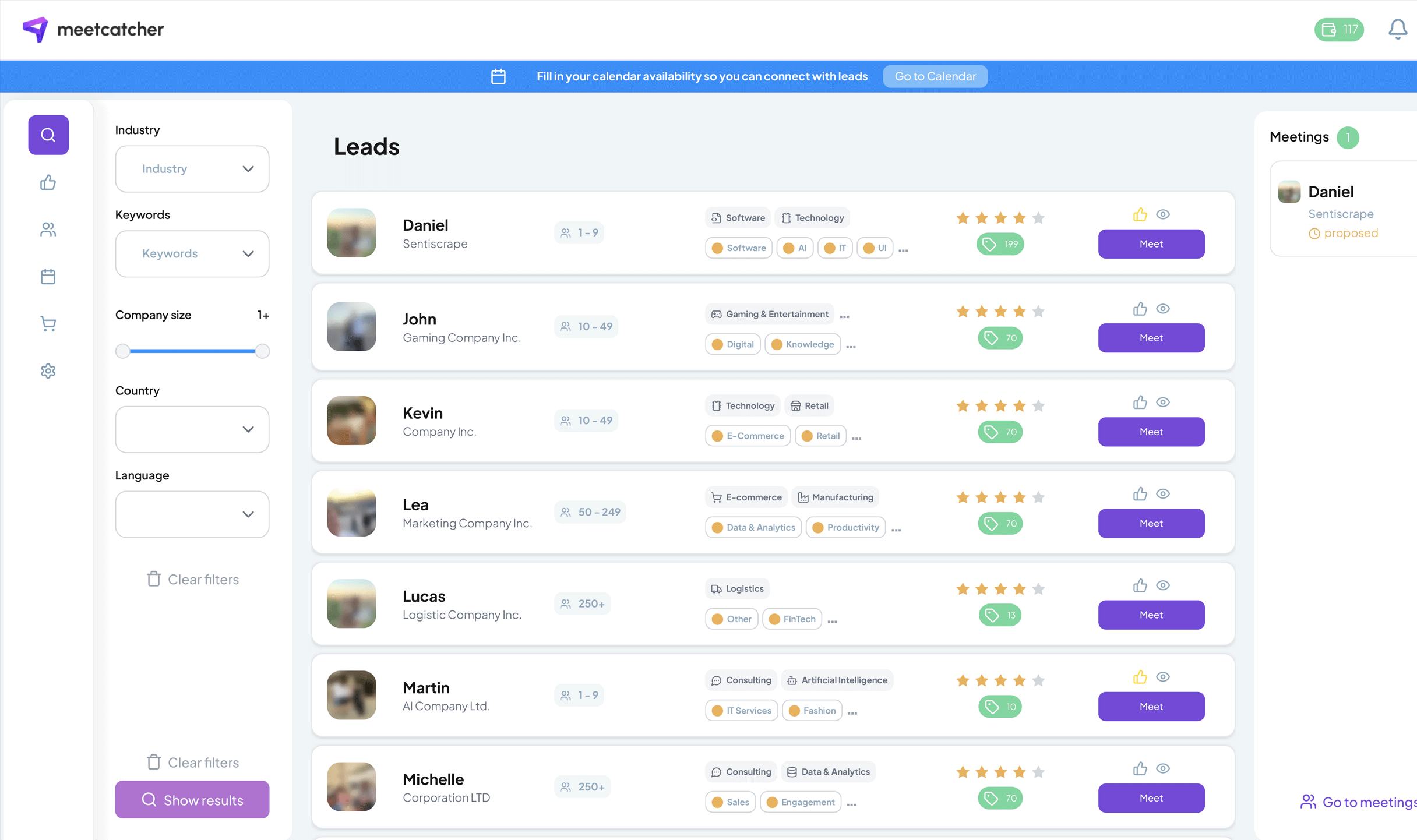
Tools like Meetcatcher can be also helpful. It makes it easy to get clients to appointments.
A 60-second success mindset
In the end, great cold calling isn’t about pressure. It’s about precision. It’s a mix of empathy, curiosity, and control — all compressed into one minute. You’re not interrupting their day; you’re offering something they didn’t know they needed.
So next time you pick up the phone, don’t apologize for it. You’re not a telemarketer — you’re the trailer for something genuinely worth seeing.