How to Train a B2B Sales Rep (And Actually Keep Them)
Training a salesperson isn’t about teaching them scripts. It’s about helping them survive the first wave of rejection, stay confident, and build a repeatable rhythm. Many founders underestimate how emotionally tough the first 90 days can be — not everyone is used to hearing “no” twenty times before lunch.

The emotional onboarding: teach resilience early
Your new rep will face a wall of silence, ignored messages, and the occasional blunt reply. Those who survive are the ones mentored through it. Spend the first weeks checking in daily. Review calls, celebrate small wins, and normalize rejection as data, not failure.
One agency owner shared a simple rule: “No feedback for one week is feedback enough — it means you didn’t check in.” Treat emotional onboarding as part of your playbook, not a soft extra.
Teach them who they’re selling to
A rep who doesn’t know the buyer persona is like a pilot without coordinates. They should be able to answer, without hesitation:
- Who the decision maker is (title, seniority, KPIs).
- What triggers their pain (growth bottleneck, manual chaos, lack of predictability).
- How your solution translates into value for that person.
When a rep truly understands the persona, 5–10 LinkedIn connection requests should lead to one meeting. That’s the signal you’re ready to scale. If it’s 0 out of 30, the problem isn’t effort — it’s positioning.
Compensation: pay for output, not promises
One business owner running a sales agency put it plainly:
I pay my people 100% based on what they deliver. If the pipeline’s moving, they earn. If it’s stuck, they know exactly why.
There’s no single right model, but this principle forces accountability and protects motivation. The key is transparency — the rep must understand exactly how results translate into pay. Early reps thrive when their metrics are visible and their wins instantly rewarded.
The “never say the price” rule
A senior SaaS salesperson once shared a tactic that flips conventional wisdom:
I never say the price on the first call. I tell them, ‘I can give you an exact quote once you know what you’re actually buying. Let’s schedule a short online meeting.
He uses the first meeting to show the product in context, then often hosts two or three more before revealing the price. The logic is simple: context before cost. Buyers perceive higher value when they understand what problem is being solved, not just how much it costs.
This approach also screens for seriousness. Those who attend three meetings are much likelier to close — not because they’re pressured, but because they’ve already invested time in learning.
Build a system — don’t just hire a person
Even a talented salesperson will fail without structure. One founder admitted that reps in his team kept quitting every few months. After investigation, the cause wasn’t performance — it was chaos. No process, no CRM discipline, no clarity on daily actions.
Once they introduced clear check-ins, weekly goals, and a visible dashboard, turnover dropped to zero within two quarters. Structure reduces anxiety; reps stop guessing and start performing.
Your system should include:
- Daily activity metrics (calls, invites, messages sent).
- Weekly review (booked meetings, response rates, learning notes).
- Simple traffic-light scoring for each deal.
- Shared templates for messages and outreach cadences.
Reps don’t leave jobs because they’re bad at selling,” one consultant said. “They leave because no one tells them what success looks like.
The onboarding checklist every rep should get
When you bring someone new in, don’t throw them straight into the inbox. Give them a one-page Sales Starter Checklist. It should include:
- ICP summary: key industries, company sizes, and buyer roles.
- Top 3 messaging angles: the pain points your product solves.
- LinkedIn playbook: daily goals (10 connections, 2 comments, 1 post).
- CRM routine: what gets logged daily vs. weekly.
- Follow-up rhythm: when to nudge and how.
- Qualification script: 5 questions to decide if the lead is worth time.
- First-week goals: how many calls, messages, and demos expected.
Keep it lightweight — the goal is confidence, not control. A new rep should open the checklist each morning and know exactly what to do next.
From learning to leading
Your goal isn’t to create a script follower, but a sales athlete — someone who understands the buyer, measures outcomes, and adjusts fast. Give them structure early, autonomy later, and honest feedback always.
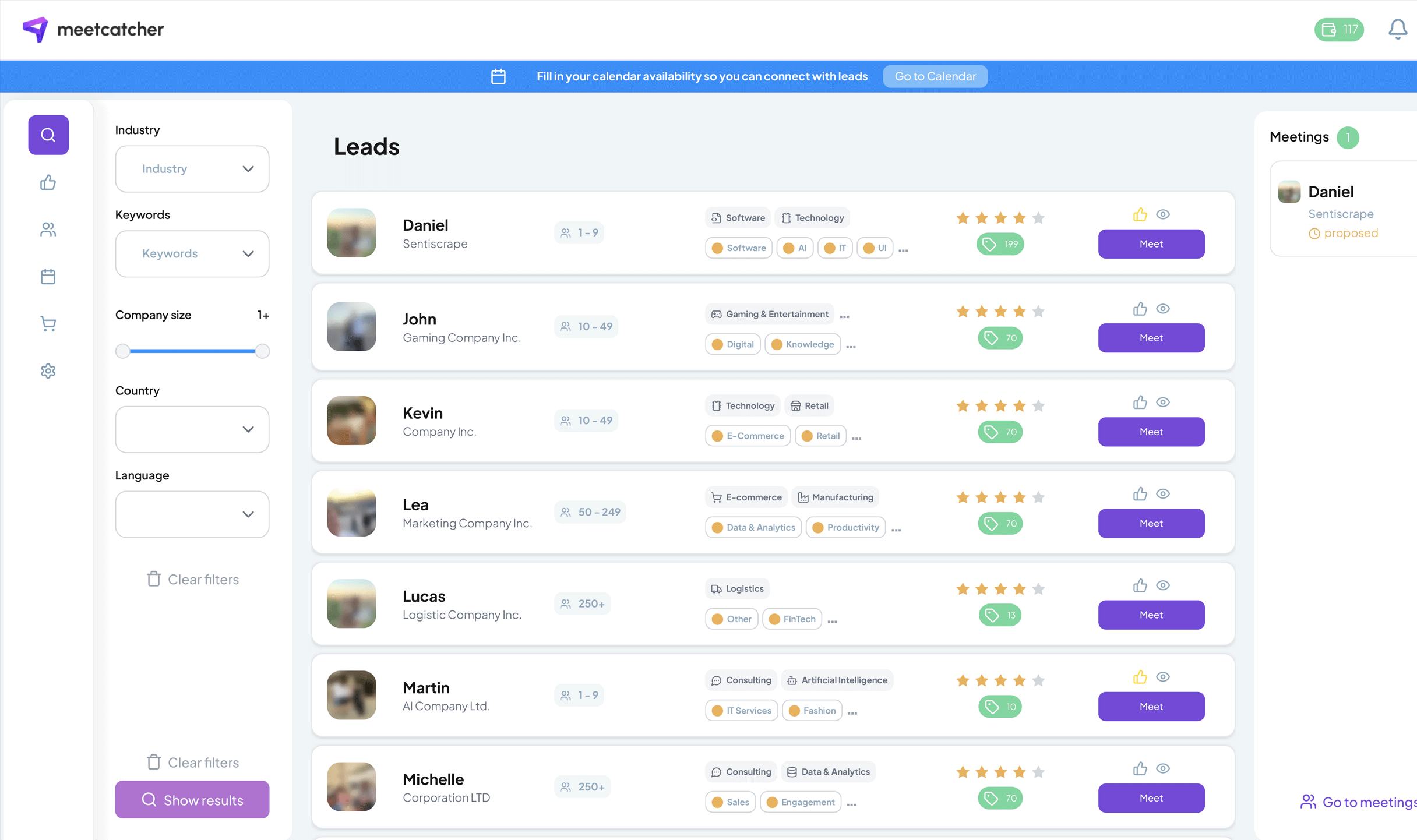
And if you want those early meetings to come faster while your rep finds their rhythm, try using Meetcatcher. It helps you set up short, focused intro calls with qualified prospects — so even new reps get into real conversations before burnout sets in.
Salespeople don’t grow by theory. They grow by structure, reflection, and repetition. Give them all three, and you won’t just train a rep — you’ll build a revenue engine.