Outreach Success Rates: How They Differ Across Countries
Outreach is the backbone of B2B sales — the proactive process of finding, contacting, and engaging potential clients. It’s what keeps the pipeline alive when inbound marketing isn’t enough. But its effectiveness varies drastically depending on where you sell.
What outreach really means
Outreach is more than cold messaging. It’s a structured approach to starting business conversations: identifying ideal prospects, sending personalized invitations (usually on LinkedIn or email), and turning them into real meetings.
The best outreach feels like networking — not spam. It starts with understanding your target persona and crafting messages that sound like they were written for that person only. Personalization, timing, and cultural tone all shape your results.
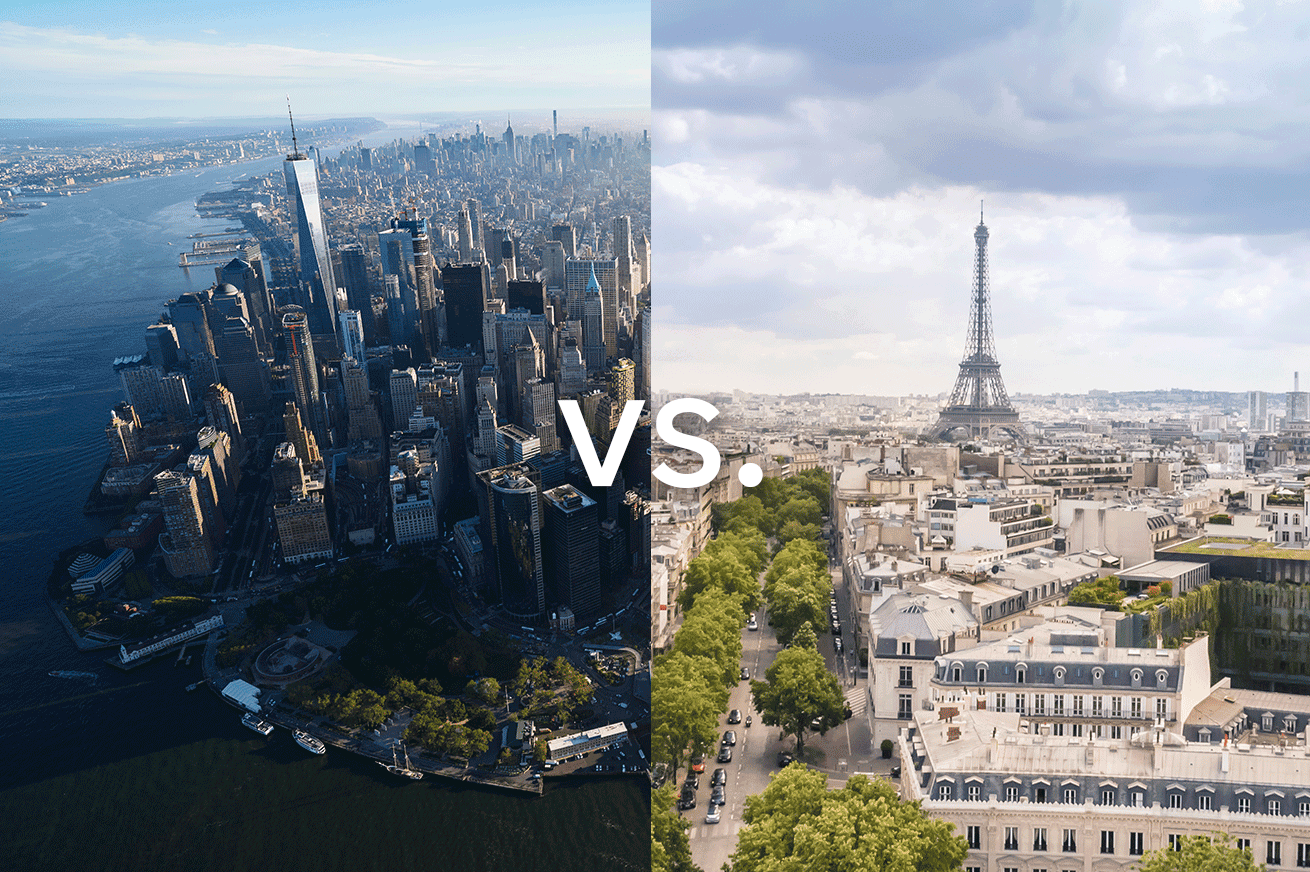
The transatlantic difference
One experienced sales rep shared his surprising insight after running parallel campaigns in both the US and Europe.
In Europe, about 25% of my connection requests lead to a conversation. In the US, it’s more like 15%. Same product, same pitch — totally different outcome.
That’s a 40% performance gap, even when the strategy is identical. Why? Because American LinkedIn users are far more saturated with outreach campaigns. In the US, outreach automation tools are widely used — many professionals receive dozens of pitches weekly, making it harder to stand out.
In contrast, European prospects are still less overwhelmed and more open to personalized approaches. A well-written message that references a company’s latest product launch or a mutual interest can still get genuine responses.
Why benchmarks must differ by region
If you’re managing international sales teams, you can’t use the same KPIs across markets. Outreach success rates in Germany, the UK, or Scandinavia are not directly comparable to those in California or New York.
To make performance evaluation fair:
- Track regional conversion rates (connection → conversation → meeting).
- Adjust targets based on outreach saturation.
- Recognize that markets with higher automation noise require more creative, human-first messaging.
We started normalizing our sales metrics by region,” said one B2B sales manager. “Our US reps looked weak on paper until we compared like for like. Then it made sense.
The result was a fairer bonus system and better morale — especially for reps working in tougher markets.
Recommendations for digital sales professionals
If you’re running outreach for digital products or services, here are practical tips to improve results, regardless of region:
- Warm up before you pitch. Interact with your prospect’s posts 3–5 days before sending a message. This alone can raise acceptance rates by 20–25%.
- Localize your tone. Americans prefer short, confident, benefit-driven lines; Europeans often appreciate more context and politeness.
- Avoid automation clichés. Generic templates kill trust. Rewrite each intro, even if only slightly.
- Time your outreach. Tuesday and Wednesday afternoons tend to perform best globally; avoid Mondays and Fridays.
- Experiment with “soft CTAs.” Instead of asking for a call immediately, offer something valuable — a checklist, guide, or insight — then follow up.
Outreach is a game of credibility and consistency. Sending 30 great messages beats 300 generic ones every time.
The shortcut to real conversations
Regardless of geography, the goal of outreach is the same: to get a real meeting. Modern tools like Meetcatcher make that step dramatically easier. Instead of endless messaging threads, you can find prospects and invite them to a quick meetings - directly through short, structured video calls.
In markets where attention is scarce, cutting straight to the conversation is your most valuable competitive edge.