SEO for a New Product: Why Directory Listings Still Matter
When launching a new digital product, most founders think SEO means optimizing keywords or backlinks. But before you dive into technical audits and content clusters, there’s a simpler, often forgotten foundation — directory listings. Submitting your product to relevant directories doesn’t just improve visibility in Google; it also influences how AI-driven recommendations perceive and classify your brand.
Why directory listings still matter
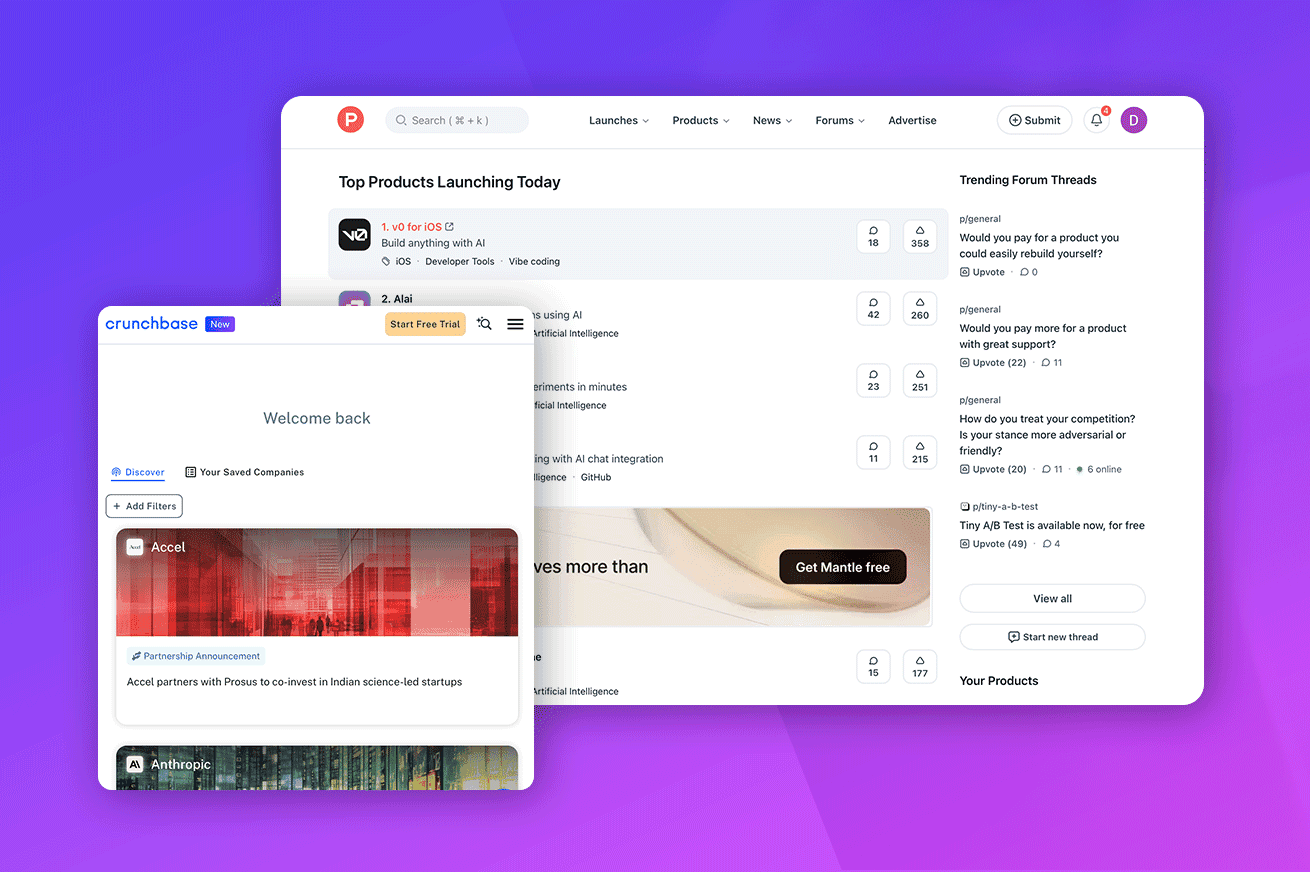
Directory registration has been around for decades, but it remains a critical step for new brands. Think of it as planting flags across the internet that tell search engines — and AI models — what your product is, what it does, and who it helps.
When someone asks an AI system “What’s the best project management app for freelancers?”, your inclusion in structured directories increases the odds of being recommended. That’s because AI models, much like traditional SEO crawlers, pull context from authoritative, categorized sources.
In other words: directories are not just backlinks anymore — they’re training data.
It’s no longer about dropping links
The old approach — dumping your link everywhere — no longer works. Modern SEO values context and completeness. You need to create comprehensive product profiles that explain:
- what your tool does,
- who it’s for,
- what problems it solves, and
- what features make it unique.
Treat every directory like a mini landing page. Include keywords naturally, use real screenshots, and describe use cases in detail. Google and AI systems alike reward relevance and semantic depth.
One marketing manager from a SaaS accelerator summarized it perfectly:
If you don’t explain your product like a human, AI won’t understand it either.
Unique descriptions boost results
It’s tempting to copy-paste the same text into 50 directories, but that kills your potential SEO impact. Search engines recognize duplicate content and devalue it. Instead, write unique descriptions for each directory — even short rewrites help.
According to aggregated SEO data from 2025, listings with unique copy perform 30% better on average, leading to faster indexing and higher trust scores. You don’t need to rewrite everything — just adjust tone, keywords, or focus for each site.
You can streamline this with AI: generate first drafts using GPT tools, then edit them manually for accuracy and tone. This hybrid approach saves time while preserving authenticity.
Paid vs. free directories
About 70% of directories that matter for B2B or SaaS are still free. The remaining 30% typically charge $30–50 USD per year, offering additional features like priority placement, badges, or review sections. Paid listings often make sense for niche or high-value industries — for example, cybersecurity, marketing automation, or software development.
However, before paying, always check:
- Whether the site is indexed by Google (use
site:example.com). - If it lists your competitors (proof of relevance).
- And whether it still maintains fresh submissions.
If the last update is from 2019, skip it — outdated directories waste time and don’t pass authority.
Generating an up-to-date list
AI can now help generate directory lists quickly. You can simply prompt: “List 50 active directories for SaaS startups in 2025.” However, beware: many AI-generated lists include defunct or deprecated sites, some inactive for years.
The best workflow:
- Generate a list using AI.
- Check each site manually for activity and domain authority.
- Prioritize quality over quantity — 20 relevant directories outperform 100 random ones.
Once you have your shortlist, submit your product gradually (5–10 per week). This pacing looks natural to search engines and avoids spam flags.
Where this fits in your SEO plan
Directory submissions should form the base layer of your early SEO. After that, expand into content marketing, guest posts, and backlinks from partners. But even as your brand grows, directories remain a trust anchor — a place where prospects and algorithms alike can verify your legitimacy.
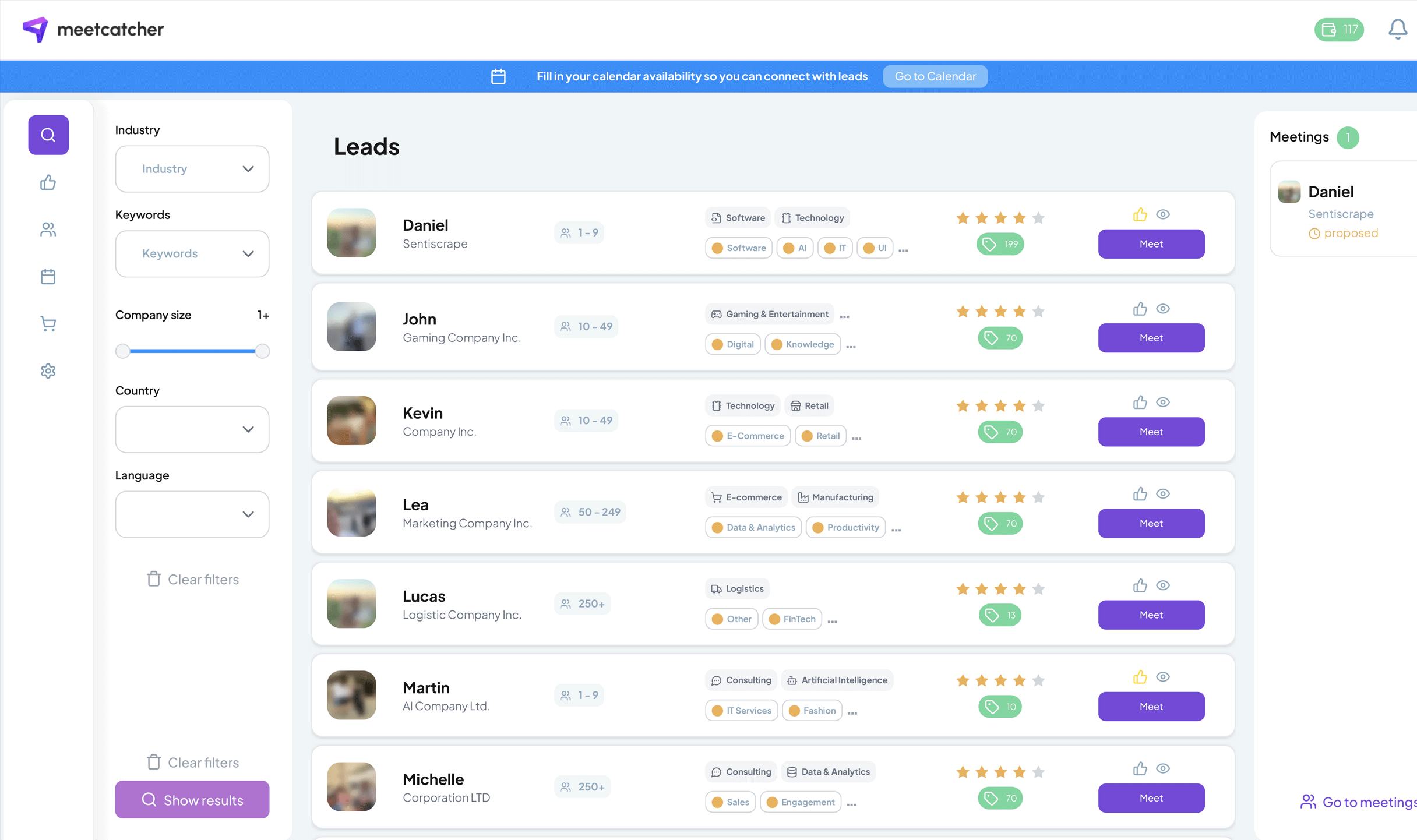
And if your product is B2B-focused, combine directory visibility with direct meeting acquisition — tools like Meetcatcher help turn those early directory impressions into real business calls. Because traffic alone isn’t the goal — conversations are.
Final thoughts
For a new digital product, directories aren’t glamorous — but they’re powerful. They help you get indexed, discovered, and remembered, both by people and by AI. Treat them as your brand’s digital scaffolding: visible, structured, and consistent. Once that foundation is in place, every other marketing effort you make will stand taller.