Should You Add a Message When Sending LinkedIn Connection Requests?
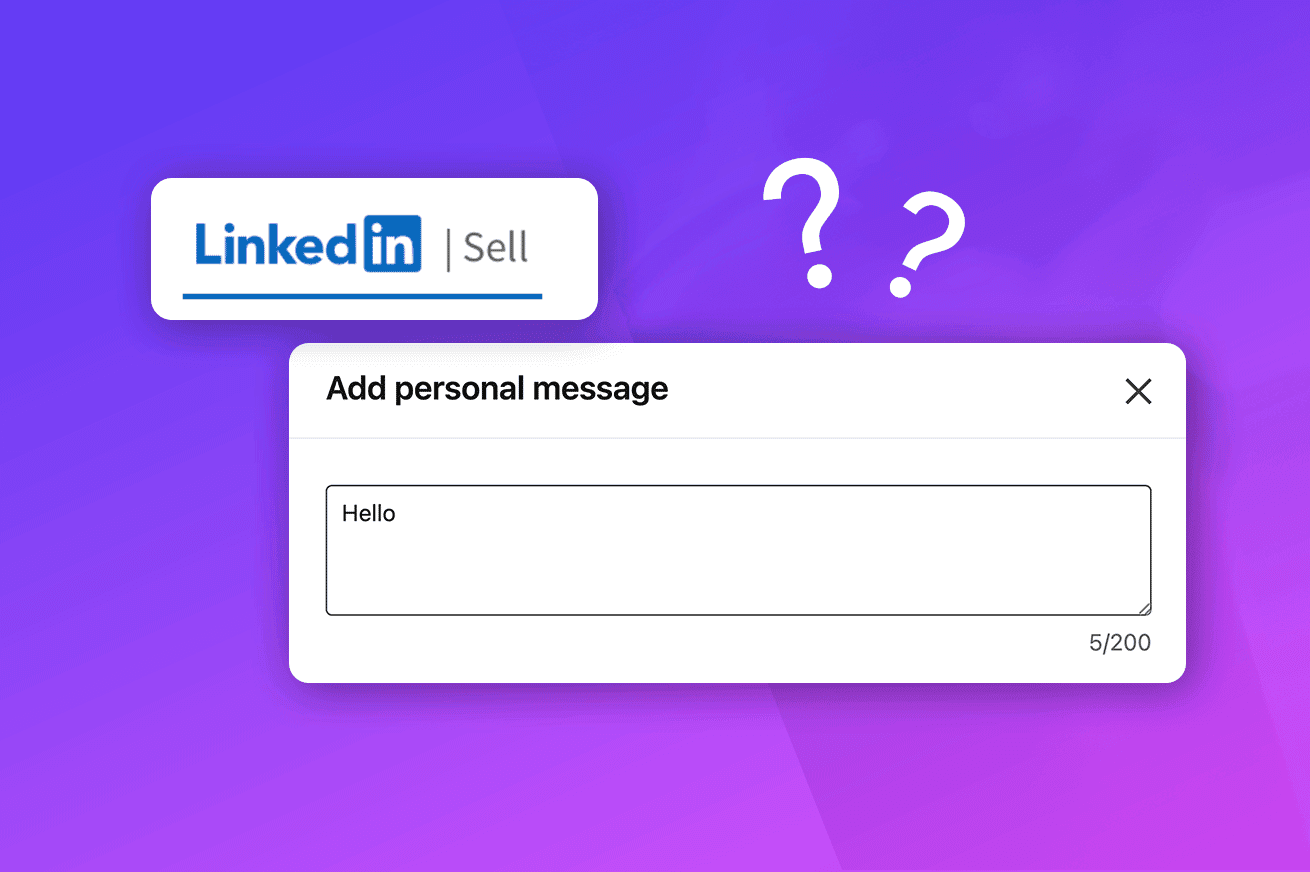
When you send a LinkedIn connection request, you get a choice: add a short message or leave it blank. It seems like a small detail — but it can decide whether your request is accepted or ignored.
Why a message often makes the difference
Many users decline connection requests from strangers without context. Adding a short, relevant message instantly increases acceptance rates. It shows effort, intent, and respect — three things that cold outreach often lacks.
The catch? The intro message field doesn’t always appear. If you send requests directly from a “People You May Know” list or a comment thread, LinkedIn skips the message option. To ensure you can personalize your note, open the person’s profile directly and click “Connect” there.
A good rule of thumb is to send dozens of requests per month — ideally 10–15 per week — to keep your network growing organically. Every accepted connection doesn’t just expand your contact list; it amplifies the reach of your future posts. LinkedIn’s algorithm gives preference to content shared within your immediate and secondary network, so every new connection is literally a visibility multiplier.
Warm up before connecting
One sales rep shared a simple but powerful strategy: he engages with the prospect a week before sending the connection request. He likes or comments on one of their posts, sometimes even views their profile — and only then sends the invite.
The result? His connection rate increased by about 20%.
He noticed that people, especially those with smaller networks, are highly curious about who interacts with their posts. A like or thoughtful comment makes them recognize your name when your invite appears — and familiarity builds trust.
This “preheat before connect” tactic works not only on LinkedIn but on most social platforms. The small engagement signals make you human before you become a message in their inbox.
The language trap
Another rep described his biggest outreach mistake:
His team was sending connection notes in English to prospects who posted exclusively in Spanish or German. It immediately backfired — many recipients ignored or even blocked the requests.
It’s a subtle but serious issue. If your message arrives in a different language than your profile or wall content, it signals that you didn’t do your homework. It’s one of the quickest ways to lose credibility.
Today, that problem is easy to avoid. Tools like DeepL, Grammarly Translate, or Google’s AI translation can instantly localize your intro notes. In cross-border sales, language personalization is a basic courtesy — and a competitive edge. Modern SaaS platforms and marketplaces, including Meetcatcher, now help teams reach global prospects more naturally by connecting people who already share compatible languages and business interests.
First-name familiarity: handle with care
Using a person’s first name in your greeting — “Hi David,” or “Good morning, Ana” — is standard and friendly in English-speaking markets. It signals openness and authenticity.
However, in other languages, especially German, French, or Czech, this level of familiarity can seem too direct or even rude when coming from a stranger. If you’re using translation tools or templates, always double-check whether first-name addressing fits the local etiquette.
What sounds warm in English might sound presumptuous elsewhere.
A strong example of a good message
A balanced connection message should be short, contextual, and human — not a pitch. One rep who regularly books meetings through LinkedIn uses this simple line:
Hello, David. I see you are involved in digitization. I hope you will find some of my posts useful.
It’s polite, relevant, and non-intrusive. It doesn’t sell anything — it starts a conversation. And because it references the recipient’s expertise, it feels tailored rather than automated.
Why quantity still matters
LinkedIn networking is partly a numbers game. Even with high-quality personalization, only a portion of your requests will get accepted. That’s normal.
If you send 200 targeted invites a month and 40–60 accept, that’s already excellent. Each connection compounds your visibility: your posts, comments, and endorsements will show up to a wider, more relevant audience.
More connections also make your outreach more believable. When a prospect sees shared contacts or familiar names in your network, they’re more likely to accept.
The smart way to grow your network
To build a high-value LinkedIn network:
- Warm up first. Like or comment on a prospect’s post before sending a request.
- Always send the invite from their profile, so you can add a note.
- Use clear, polite language — ideally in their native tongue.
- Avoid pitching immediately. Let the connection breathe for a few days.
- Send follow-up value, such as a relevant post or article.
Doing this consistently for just one month can double your connection rate and drastically increase engagement on your content.
Final thought
LinkedIn is a bridge, not a billboard. Every connection is an entry point to a conversation, and the intro message is your handshake. Personalize it, translate it if needed, and keep it human.
Because in 2026, automation may scale your outreach — but authenticity still closes your deals.