The Biggest Myths About Sales Representatives
Many people still imagine sales representatives as smooth talkers walking from company to company with a briefcase — cold-calling, persuading, and pitching all day long. That image is outdated. The modern salesperson, especially in digital industries, operates in a completely different world.

Myth 1: Sales is all about cold calling and knocking on doors
Traditional cold calls still exist, but they’re no longer the heart of modern sales. In digital products and services, success now comes from identifying buying signals, not forcing conversations.
A skilled salesperson doesn’t “convince” people — they connect timing, need, and value. They look for indicators like a company’s growth phase, tech stack changes, or job openings that reveal interest before the prospect even says a word.
It’s less about pressure, more about precision,” said one B2B sales manager. “You don’t need to sell hard if you contact the right person at the right time.
Myth 2: Sales is just about new business
One of the biggest misconceptions is that salespeople only focus on new clients. In reality, top performers spend up to 40% of their time on existing customers — doing upsells, renewals, and cross-sells.
Retention is cheaper than acquisition, and long-term clients bring the most profit. In SaaS and agency businesses, upselling existing customers can increase revenue by 25–35% annually without acquiring anyone new.
Myth 3: Sales is spontaneous — anyone can “just sell”
Sales isn’t random. It’s a process — structured, measurable, and systematic. A strong CRM system is the foundation. Today’s reps track everything:
- Lead sources and campaigns
- Email and meeting history
- Pipeline stages and deal values
- Reminders and follow-ups
- Feedback and renewal dates
Without these data points, deals get lost. Modern CRM use isn’t optional — it’s what separates professionals from amateurs.
According to recent benchmarks, companies using structured CRM workflows see 23% higher deal closure rates and 38% faster sales cycles.
Myth 4: You have to be an extrovert to succeed
This one couldn’t be further from the truth. While extroverts often shine in fast-paced, short sales cycles, introverts can outperform them in consultative and long-term B2B relationships.
Why? Because introverts listen more, prepare better, and focus on genuine understanding — qualities that clients in complex industries value deeply.
A 2024 behavioral sales study showed that introverted reps achieved 18% higher customer satisfaction and 12% higher close rates when working in service-based industries like SaaS, IT, or consulting.
Myth 5: Salespeople are all about charisma — not data
Modern sales is data-driven. Top performers monitor KPIs like response rates, meeting-to-close ratios, CAC, and lifetime value. They run A/B tests on their outreach messages, adjust timing by region, and constantly optimize their funnels.
It’s no longer about intuition; it’s about iteration. The most successful reps treat their sales process like a science — refining each step based on metrics, not gut feeling.
Myth 6: Sales is only about closing
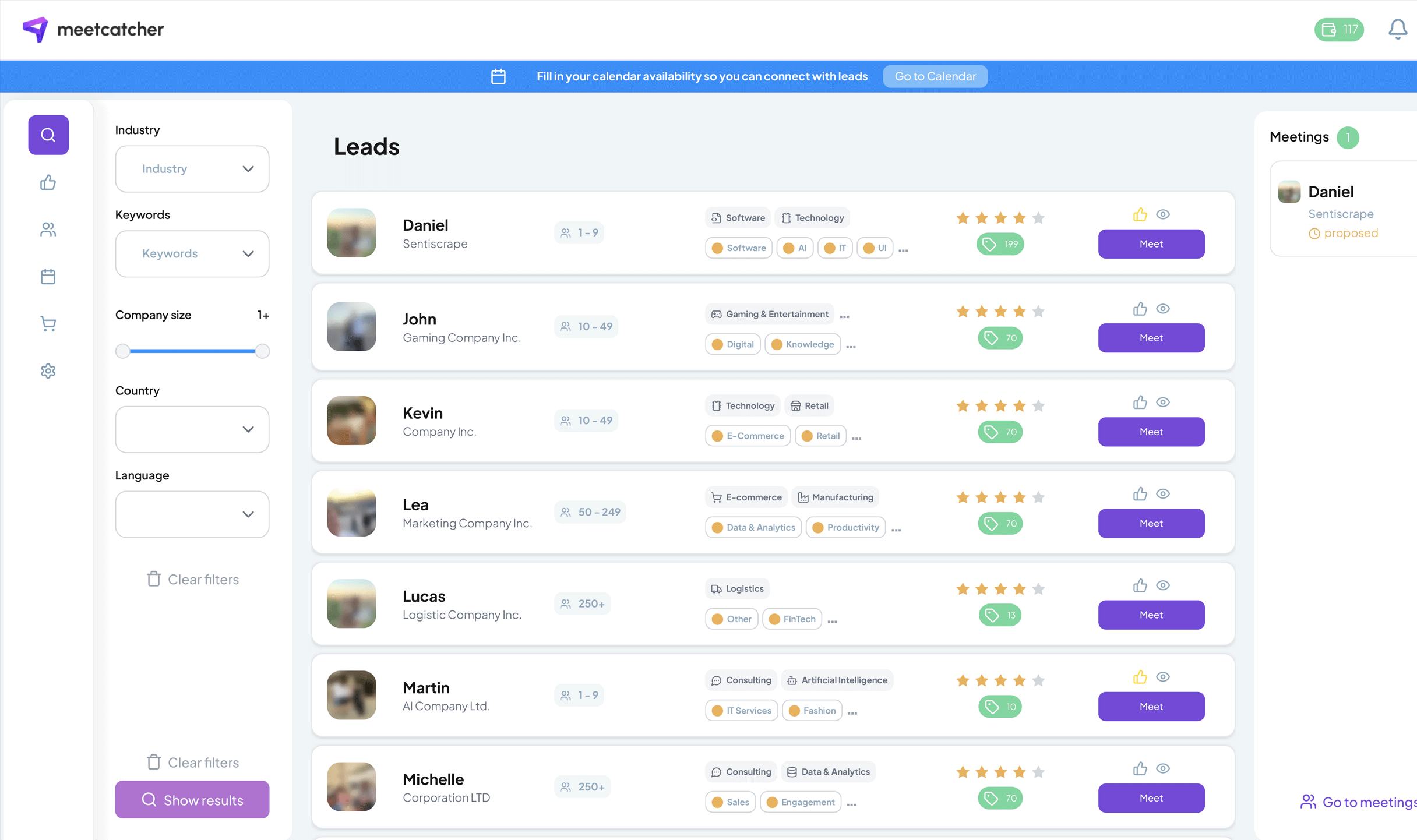
In B2B, getting to the first meeting is often harder than closing the deal itself. And that’s where platforms like Meetcatcher redefine how sales starts.
Meetcatcher helps professionals initiate first contact with potential B2B clients they haven’t met before — connecting them directly to decision-makers for short, relevant video meetings. Instead of spending weeks chasing replies or trying to find emails, reps can instantly reach people open to networking or new solutions.
It turns “finding leads” into “starting conversations” — the real skill of modern sales.
Modern sales is strategic, structured, and human
Sales in 2025 isn’t about persuasion — it’s about timing, empathy, and persistence. The best salespeople don’t push harder; they think smarter. They use technology to listen, not shout, and systems to scale meaningful relationships.
In short: Sales has evolved from chaos to craft — and those who adapt to data, tools, and people-first communication will keep leading the game.