Why Personalized Landing Pages Convert So Much Better
We’ve all felt it: inboxes overflowing with unpersonalized cold emails, generic ads following us across platforms, and landing pages that look exactly the same no matter who you are. That kind of outreach used to be tolerable — but in 2025, it barely registers. Audiences have become resistant to automation that feels automated. To stand out, you now need to personalize every layer of the buyer journey.
The end of one-size-fits-all marketing
The modern buyer is bombarded with identical outreach. According to industry research, the average B2B decision-maker receives over 120 sales messages per week — and can spot a template in two seconds. That’s why personalization isn’t a luxury anymore — it’s survival.
The good news is that thanks to AI and no-code tools, it’s also easier than ever to execute. You no longer need a design team or developers to create something that feels uniquely crafted for each client.
If we show a prospect we’ve invested time and thought specifically for them, they almost always engage,” said one SaaS sales director. “People value effort more than polish.
Beyond names — personalization that actually matters
Most companies believe personalization means adding a first name to an email subject line. But that’s the bare minimum. True personalization is about context — showing the recipient that you understand their world, their company, and their goals.
The first step is in your outreach itself:
- Mention their industry challenges directly.
- Reference a recent event or post they shared.
- Adapt your tone to match theirs — formal, technical, or creative.
Once you do that, it’s time to go further — to custom landing pages and videos, where you can make the prospect feel genuinely seen.
Why effort itself converts
People don’t just buy because of logic; they buy because they feel recognized. When your outreach demonstrates that you’ve put in time, it triggers a reciprocity instinct — the subconscious urge to give something back, even if it’s just a reply.
One business development team ran a small experiment. They built two versions of the same video: one generic, and one where they added each client’s logo and company name into the intro animation. The results were astonishing — the personalized version converted 30% better across all campaigns.
Clients love to feel exceptional,” said the team lead. “When their logo appeared at the start of a video or landing page, they didn’t just watch — they replied.
That emotional spark is the foundation of modern B2B sales: make the client feel special before you ever pitch.
The rise of personalized landing pages
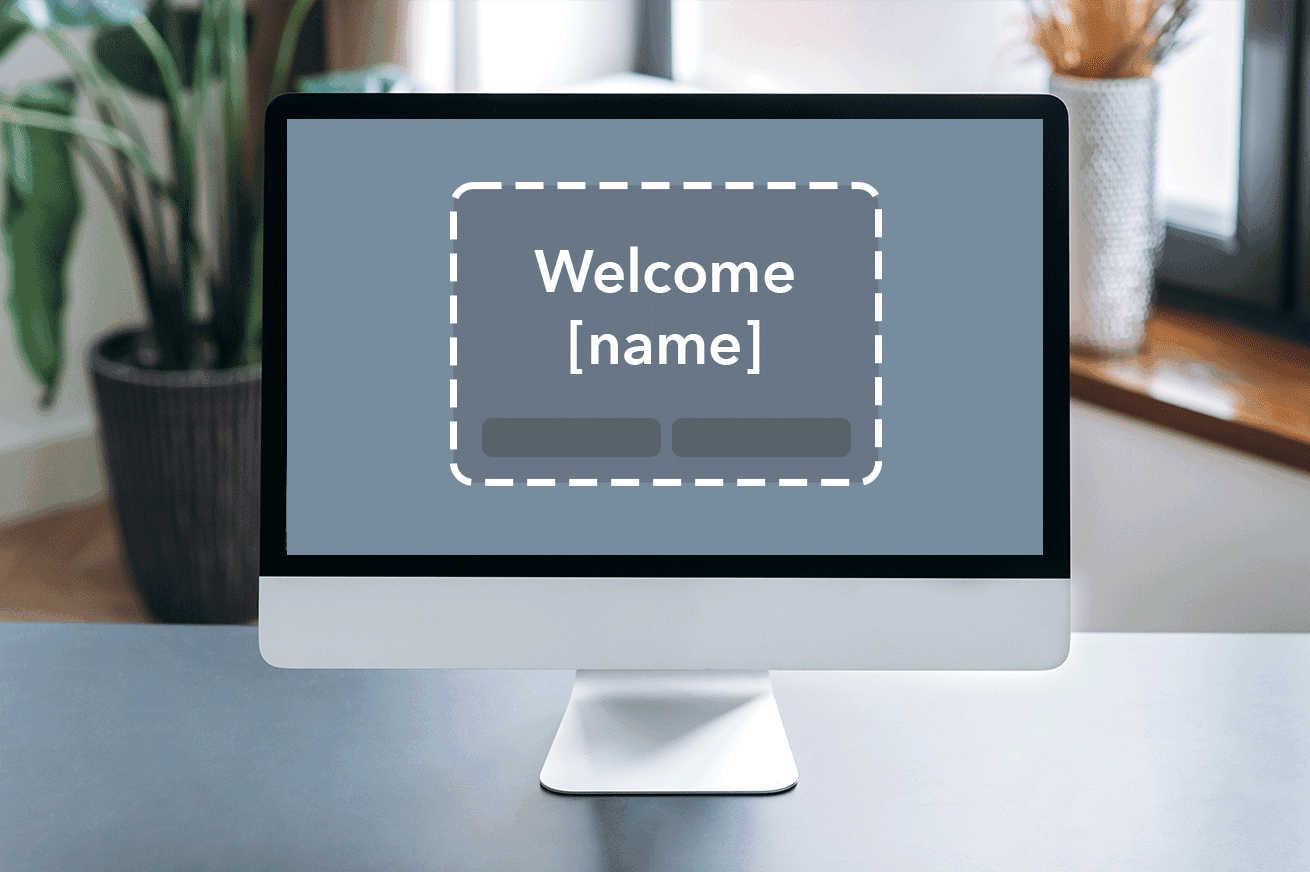
A personalized landing page takes this same idea and applies it at scale. Instead of sending every lead to the same bland demo or pricing page, you generate a version made just for them — same structure, but with personalized visuals, headlines, and even intro text.
Imagine a client clicking on a link that says:
Hi Elena from (company) — here’s how we can simplify your team’s workflow.
It feels like you built an entire microsite for them, even though it’s generated dynamically.
And that small detail matters: visitors stay longer, scroll deeper, and convert more often. Studies show personalized landing pages can improve conversion by 18–40% compared to non-targeted ones, depending on how tailored the visuals and messaging are.
How to technically achieve it
Creating these pages isn’t as hard as it sounds. You can pass personalization data through URL parameters (for example, via UTM tags):
Your landing page template then automatically detects those parameters and displays:
- The client’s name in the headline.
- Their company name or logo near the hero section.
- A personalized greeting like “Built for (specific company name) teams.”
Even basic personalization like this drastically increases perceived relevance. With a little more automation, you can even pull custom testimonials or examples relevant to that company’s industry.
Some teams host these pages under unique subpaths (like /for/hercompany) to make the links look even cleaner and more exclusive.
The 7-minute personalization rule
One sales manager shared a simple internal rule:
We spend seven minutes creating a personalized version for each client — adding their logo, tailoring the text, linking examples that match their use case. It’s the best seven minutes we invest in a day.
That short prep boosted their meeting rate by over 35%. The difference wasn’t magic — it was human attention, scaled smartly. Their approach became part of the company’s standard outbound process, and even their junior SDRs could build personalized landing pages easily with templates.
Make automation your ally
Personalization doesn’t mean doing everything manually. With tools like Make (formerly Integromat), Zapier, or ActiveCampaign, you can automate 90% of the workflow:
- Pull the prospect’s name, company, and logo from your CRM or enrichment tool.
- Feed those variables into an AI prompt to generate a short, custom intro paragraph.
- Use Make to insert the generated text and logo into your page template.
- Create a unique URL and embed it directly in your outreach email.
The result looks handcrafted but scales infinitely. And because AI tools like GPT can adapt tone and phrasing, each version still feels natural — not robotic.
The psychological side: why it works
Personalization works because it reduces uncertainty. When people see their name, their company, or their industry context in your message, they subconsciously decide you’ve done your homework. That lowers resistance and raises trust — long before your pitch even starts.
This is especially powerful in early outreach, where skepticism is highest. Personalized pages act like proof of effort, softening the “cold” in cold outreach.
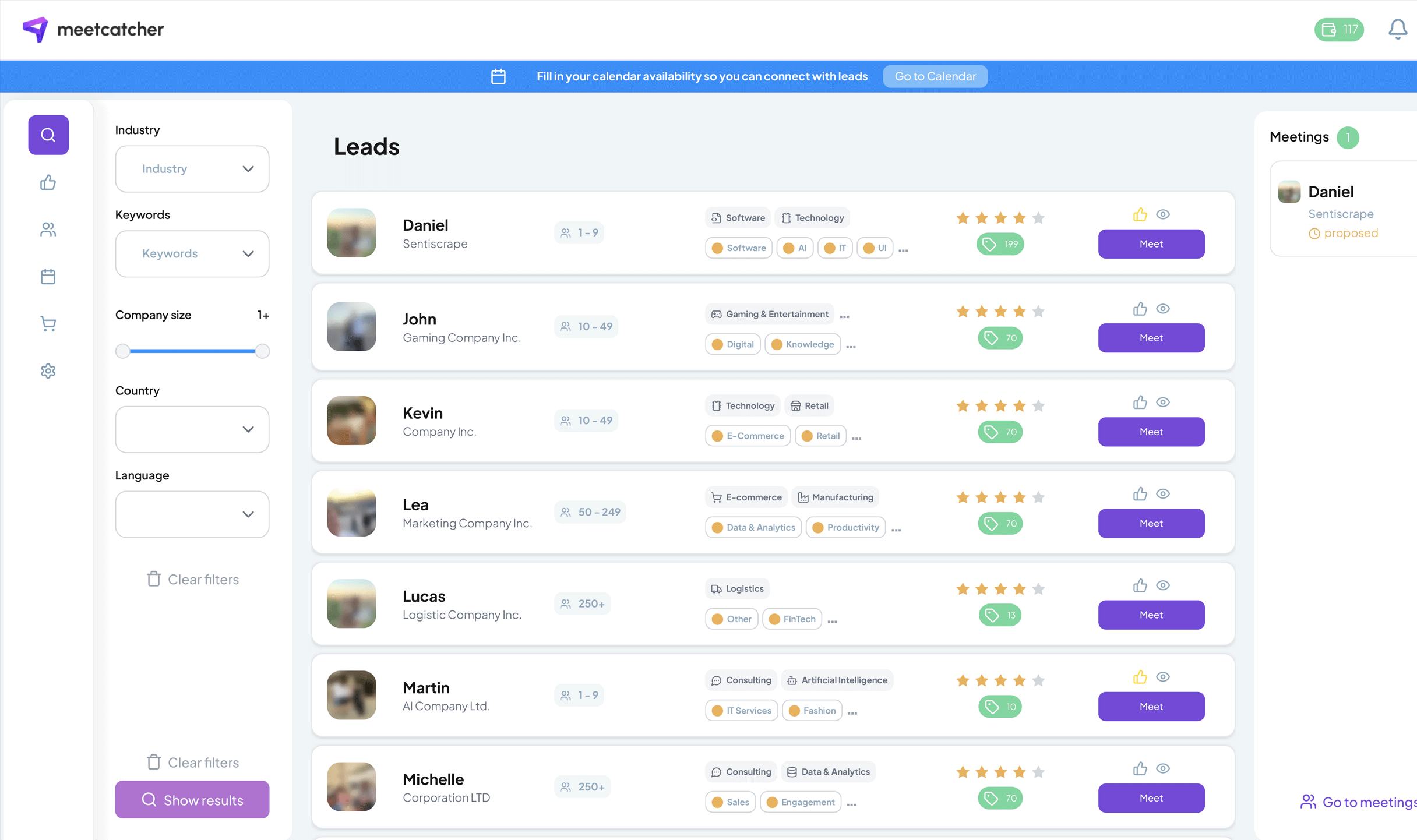
But where can you quickly get the first potential customers interested in your product? One of the many is Meetcatcher, which allows you to search for B2B professionals based on criteria and invite them for a short personal call.
Numbers that speak for themselves
Across multiple B2B case studies, teams reported that:
- Personalized pages increased email reply rates by 22–35%.
- Average session duration rose by 50%.
- Meeting bookings increased by 18–40%, depending on the level of customization.
- And when personalization was combined with AI-generated copy, time to create each version dropped by 70%.
These numbers are consistent across industries — marketing, IT, finance, even manufacturing. Wherever the outreach feels human, performance follows.
Final thoughts
Personalization is no longer about showing off technology; it’s about showing you care. A well-crafted personalized landing page tells your prospect:
We understand your business, and we’ve already started thinking about your solution.
That simple gesture builds more trust than a hundred generic emails. And with the help of automation and AI, it’s finally something every company can scale — not just the big ones.
If your goal is to stand out in 2026’s crowded inboxes, personalization isn’t optional. It’s your edge, your signal of credibility, and your fastest way to transform outreach into opportunity.