You Built a Product — and Nobody Came? Here’s Why That’s Normal
Every founder knows this story — you spend months (or years) building a product you believe in. You launch. You wait. And then… nothing happens.

The harsh but normal truth
One founder shared a painful but common experience: He launched his SaaS platform, expecting hundreds of sign-ups within the first week. He had built something genuinely useful — clean UI, clever features, affordable pricing. Yet days turned into weeks, and he had just three registrations, two of which were friends testing it.
I thought people would find it, try it, and tell others. I didn’t realize that nobody was even looking.
This isn’t failure — it’s reality. For over a decade now, organic discovery has been nearly impossible without active promotion. Search engines can’t find new products instantly, and social algorithms don’t surface posts from unknown brands. Even if your site is indexed, it might appear on page 15, where only bots and lost interns ever go.
It’s a brutal realization for many founders: even the best product means nothing if nobody knows it exists.
Why search alone won’t save you
Search visibility is a long-term game. A new website without backlinks or traffic has virtually zero discoverability. Even with basic SEO, you might get 5–20 visits per month in the beginning — not enough to test demand, pricing, or UX.
Modern benchmarks show:
- 38% of B2B buyers discover new tools through social media or online communities, not search.
- 27% hear about them from peers or partners.
- Only 12% find them via Google search.
- The rest come from direct outreach, ads, or event exposure.
So if you’re waiting for inbound traffic — you’re likely waiting in vain.
The cost of being discovered
There’s also a cost to visibility. To get noticed in digital channels, you need to buy attention — whether through PPC, sponsored content, or paid listings.
Average cost per click (CPC) benchmarks for B2B products:
- Google Ads: €2.5–6 per click
- LinkedIn Ads: €5–12 per click
- Meta (Instagram/Facebook): €0.8–2 per click
- Industry newsletters or directories: €100–400 per feature
Even with modest conversion rates, these numbers show that building traction organically takes months, while paid channels can speed up early validation — if you budget smartly.
What founders overlook
Many founders think they’re failing because of product flaws. In truth, they’re failing because they have no distribution strategy. In 2025, distribution — not features — determines who survives. The moment you release your product, your real job begins: getting it in front of people.
That means:
- Cold emailing (if legal and targeted).
- LinkedIn content and outreach.
- Direct sales calls or short demo invites.
- Partnerships with influencers or communities.
Even one of these channels used systematically can outperform passive waiting.
In B2B, the goal isn’t sign-ups — it’s meetings
Unlike consumer apps, most B2B sales start with a conversation. The purpose of your marketing isn’t to make someone buy instantly — it’s to get them to talk to you. A meeting creates trust and context, and that’s where deals start.
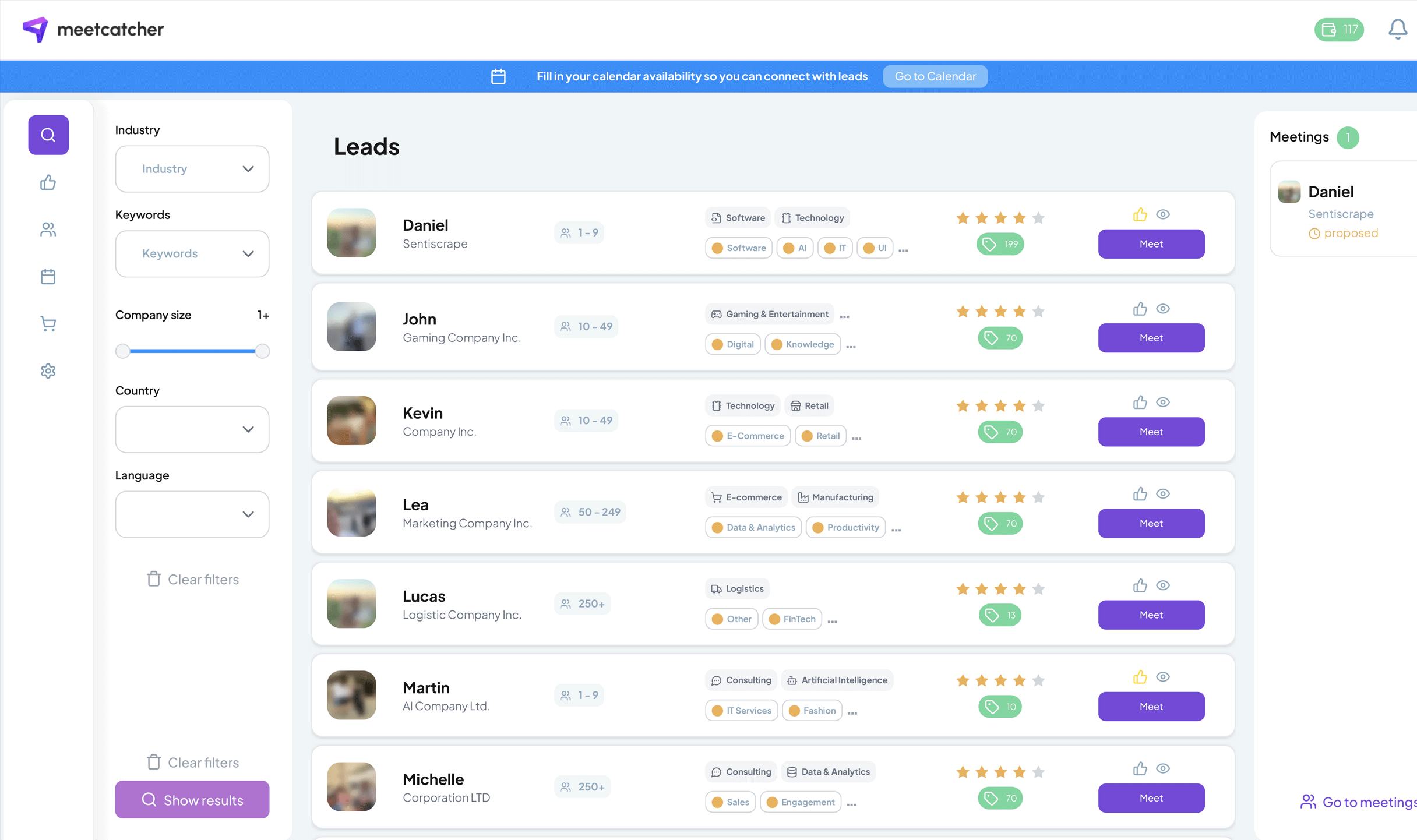
That’s also where platforms like Meetcatcher shine. Instead of hoping potential buyers stumble upon your site, Meetcatcher helps you reach out directly to new, relevant business contacts and instantly schedule short video meetings. It’s the fastest way to move from “nobody knows us” to “we’re talking to decision-makers.”
A ten-minute conversation beats a thousand ignored impressions.
Channels that work early
If your product is new and unknown, here’s a realistic starting mix:
- PPC campaigns with narrow targeting — just enough to gather early feedback.
- LinkedIn posts and comments — showing your expertise to attract interest.
- Cold or warm mailing, using tools like Apollo or instantly enriched lists.
- Newsletter partnerships in your niche — cost-effective exposure.
- Networking events or micro-communities — where your audience already gathers.
Each of these brings you closer to the only real validation that matters: someone willing to talk to you about your product.
Final thought
If you launch and hear crickets, you’re not alone — you’re just at the beginning of the real work. Building is hard, but selling is harder. Instead of waiting to be found, go find your customers. Because no algorithm will ever care as much about your product as you do.